
Bearing, pull-out, shear, tension and punching resistance.
Steel and aluminium connections
Steel and Aluminium Bolt and Screw Calculators
Choose the connection detail you need to assess, enter the load and geometry, and compare the applied force with the calculated resistance. The result page also shows the assumptions, utilization and any limits that need attention.
Engineering scope
Standards and Scope
Bearing, shear, tension and pull-out resistance.
Bolt, screw, resistance, utilization, and warning outputs.
EN 1999 direction
5 calculators
Aluminium Connections
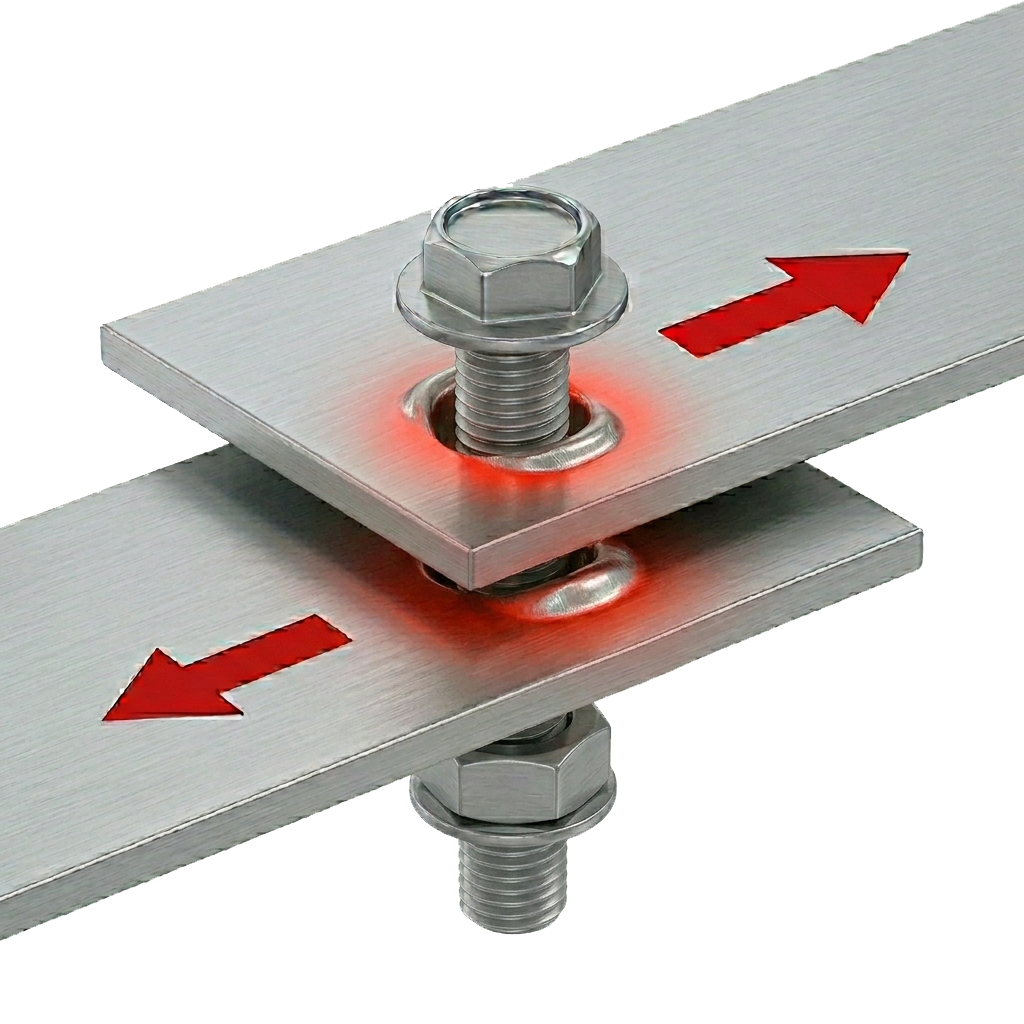
Bolt Bearing in Aluminium
Single bolt bearing check with hole factors, slotted-hole notes, and countersunk thickness.
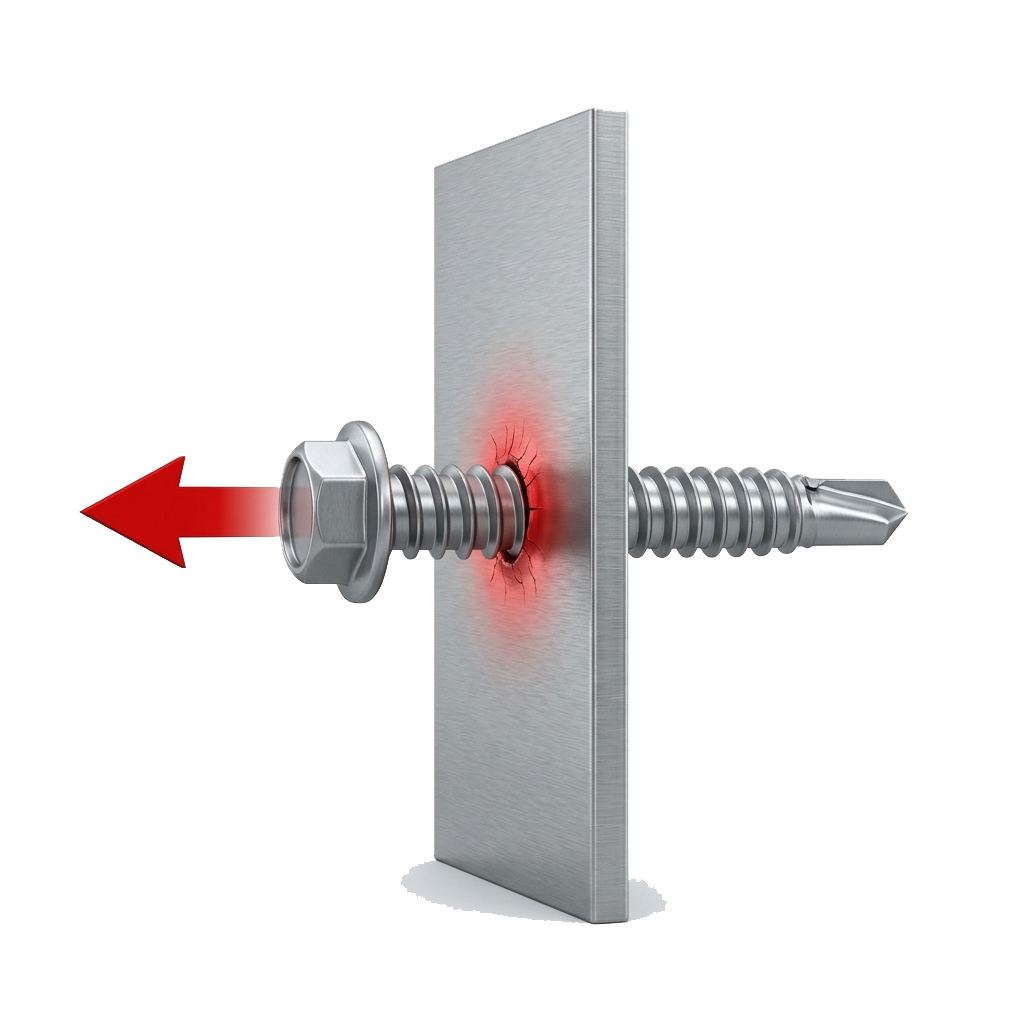
Screw Pull-out
Screw pull-out check with aluminium validity warning and visible code notes.
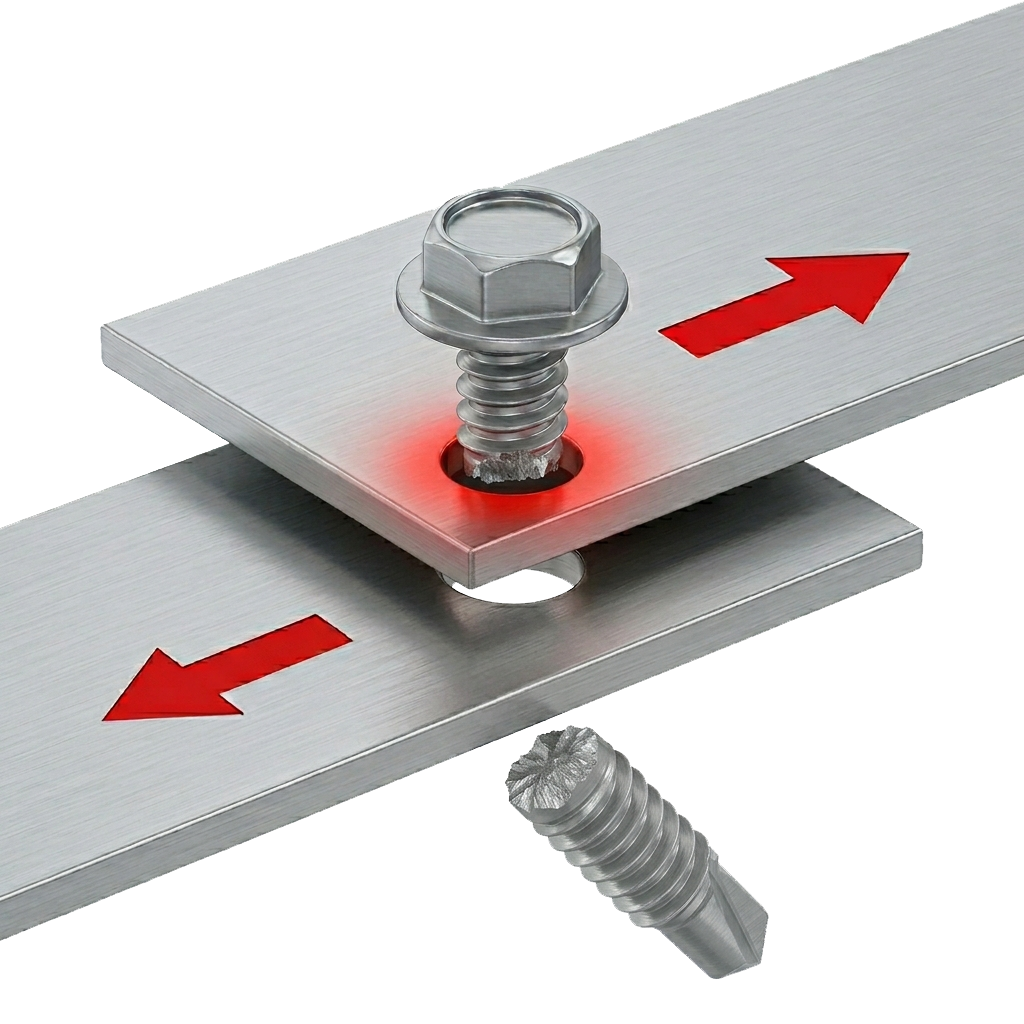
Screw Shear
Screw shear resistance using diameter-derived area and gamma M3.
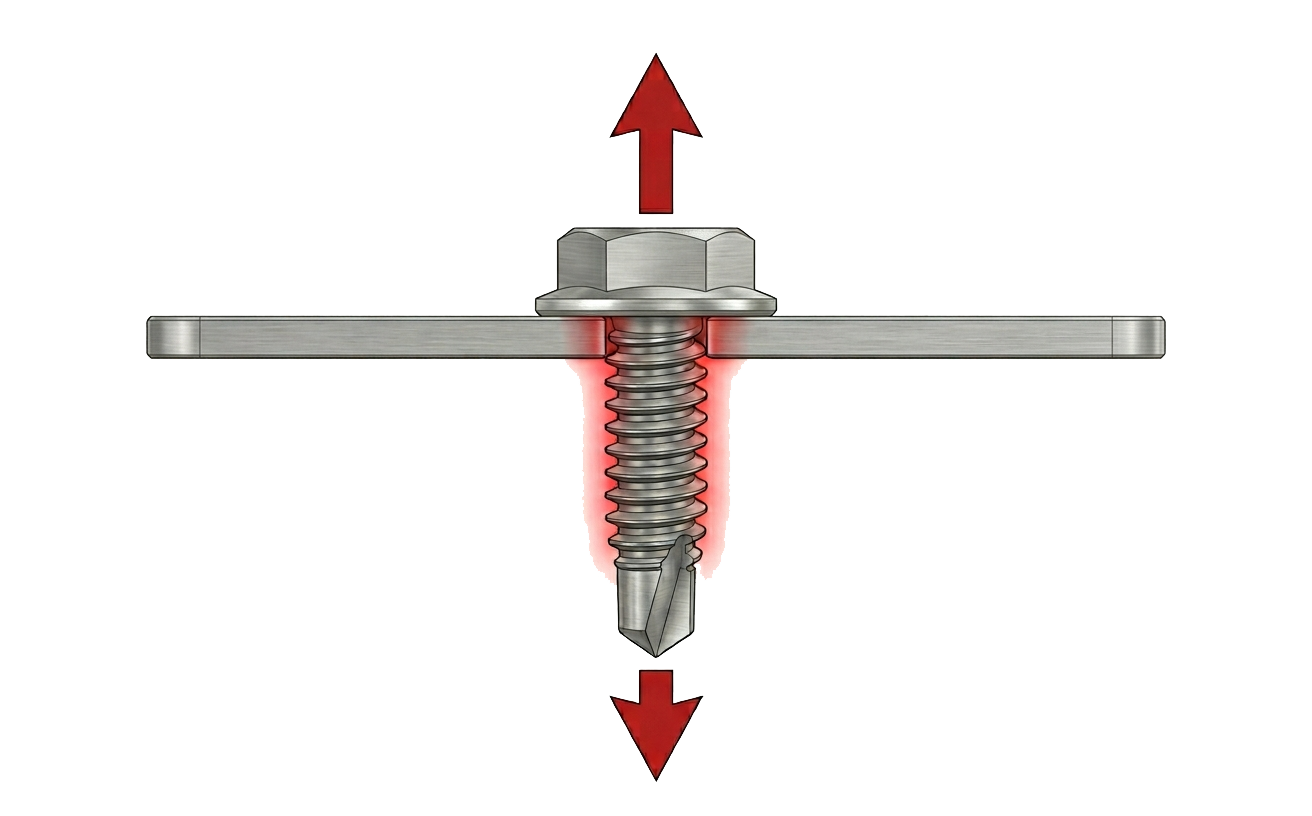
Screw Tension
Screw tension resistance using diameter-derived area and gamma M3.
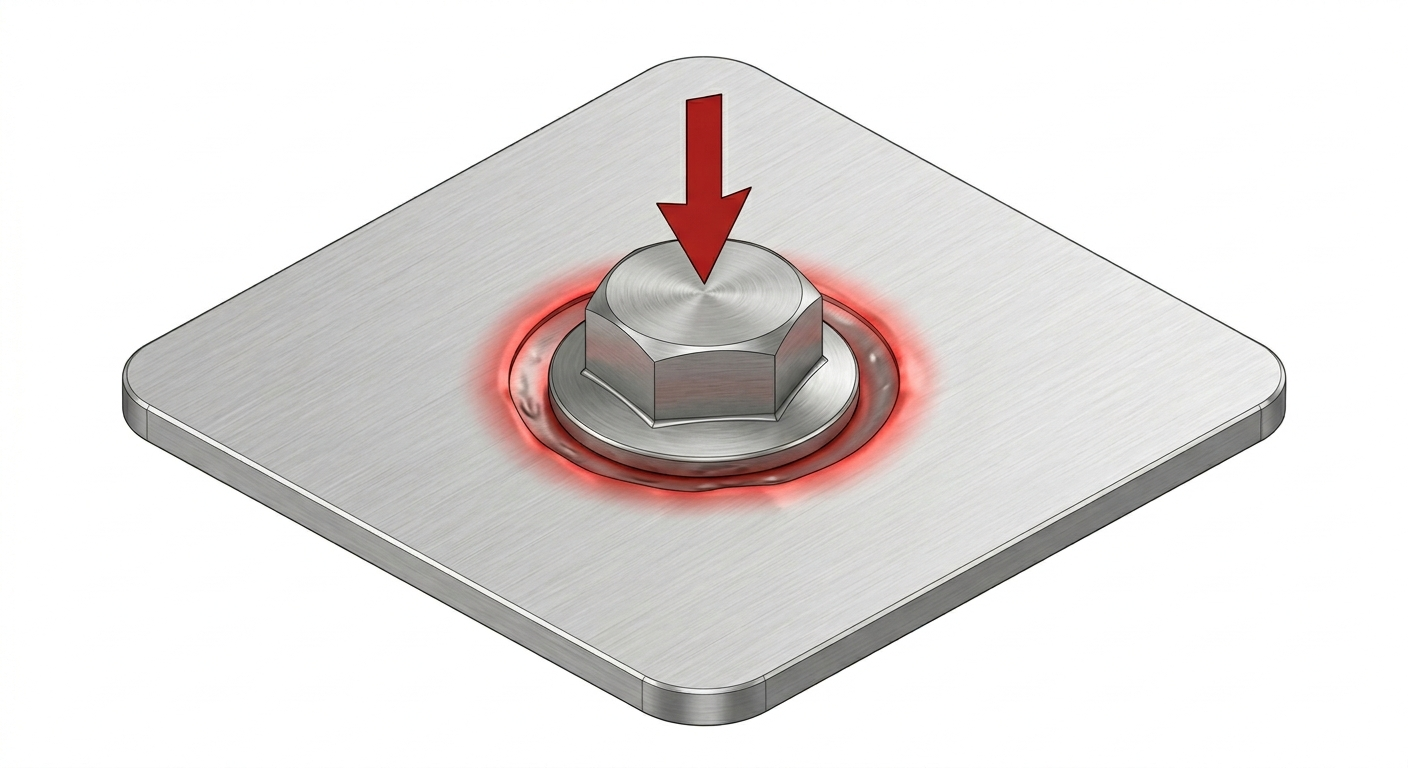
Bolt Punching
EN 1999 bolt punching shear resistance under a bolt head or nut.
EN 1993 direction
4 calculators
Steel Connections
Bolt Bearing in Steel
Single and edge bolt bearing check with hole geometry and warnings.
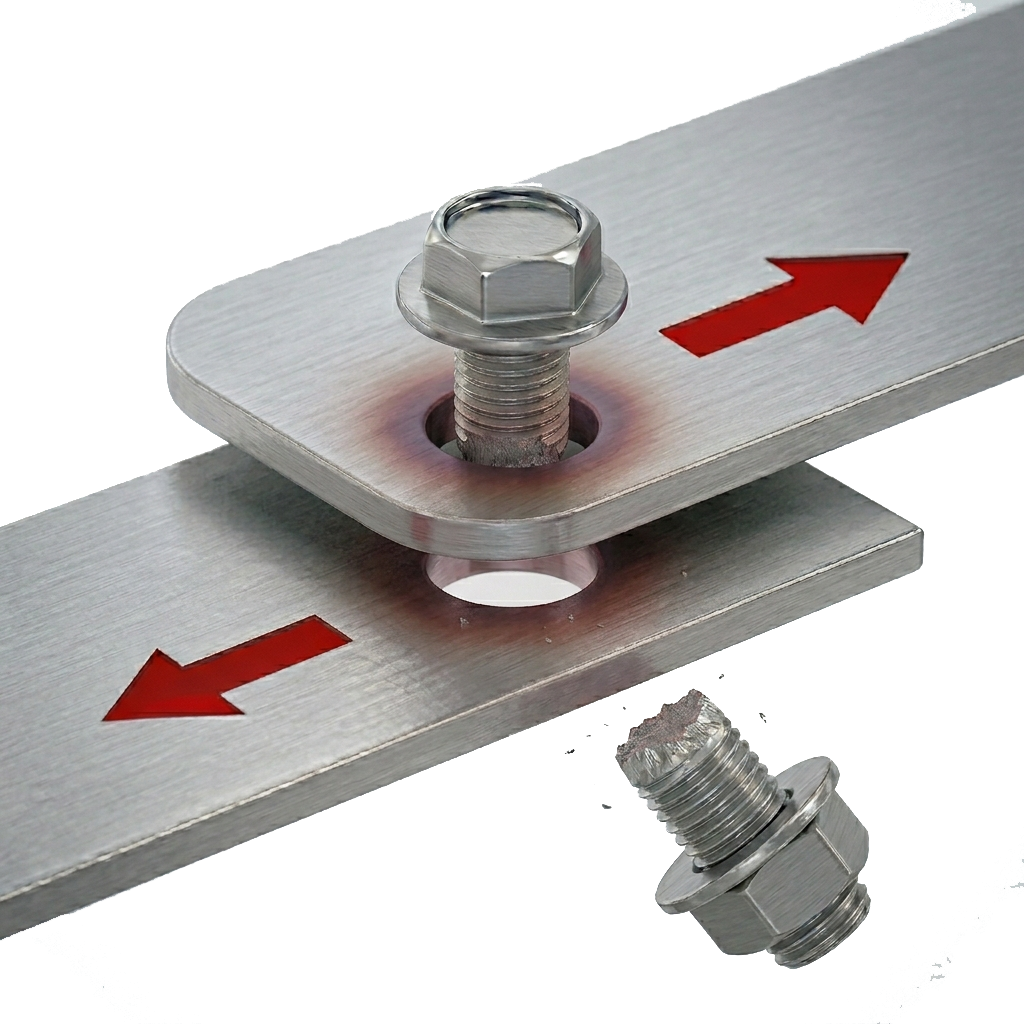
Bolt Shear
Bolt shear strength check with area selection and grade handling.
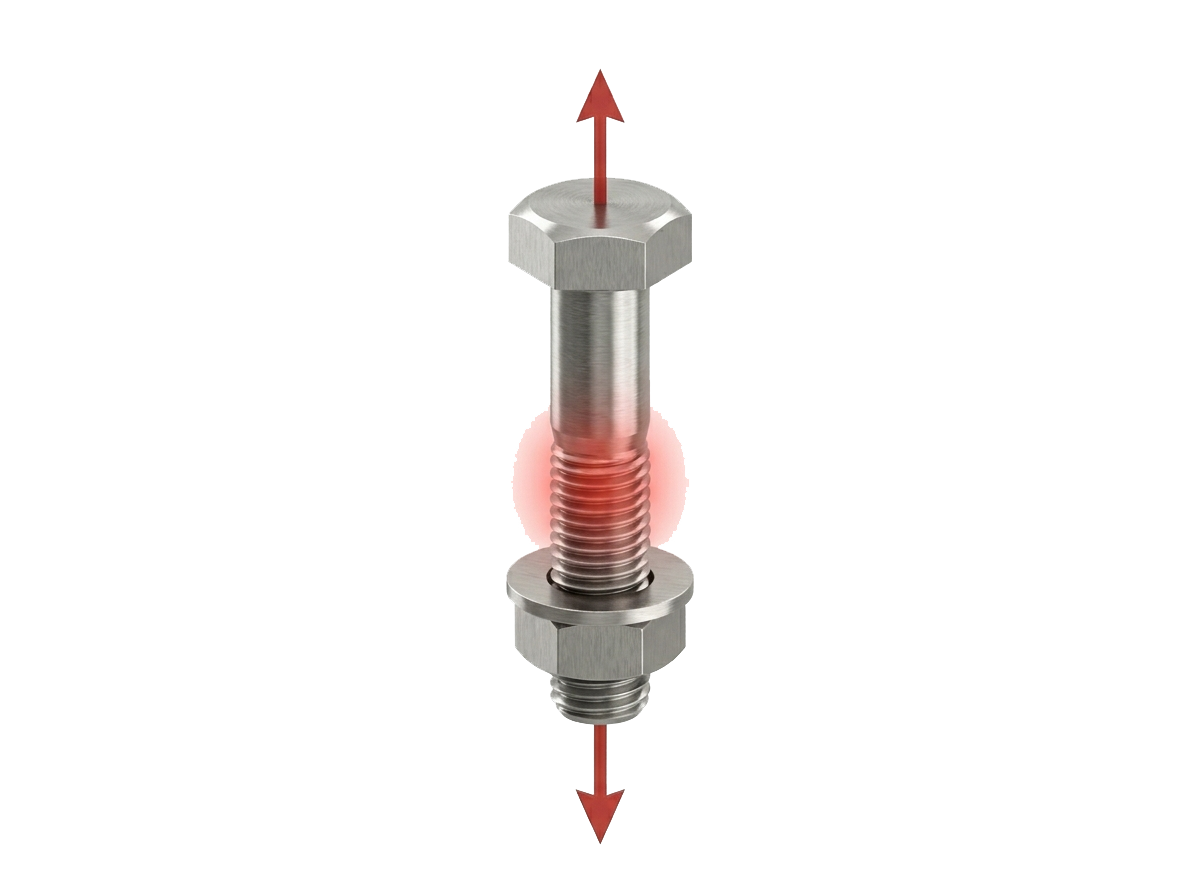
Bolt Tension
Bolt tension resistance check with k2 handling and tensile stress area.
Screw Pull-out
Screw pull-out check with thread pitch and supporting sheet thickness.
Bolt and Screw Calculators for Steel and Aluminium Connections
These calculators cover common bolt and screw details found in facades, glazing systems, cladding, brackets and secondary steelwork. They calculate resistance and utilization from the load, geometry and material data entered by the user.
Aluminium calculations reference EN 1999; steel calculations reference EN 1993. Each page deals with one failure mode, such as bearing, shear, tension, punching or pull-out. It does not assess the connection as a complete assembly, so load paths, combined actions, edge distances, support stiffness, detailing and fabrication still need separate consideration.
Aluminium
For aluminium connections, calculate bolt bearing, screw pull-out, screw shear, screw tension, or bolt punching. Each page states the EN 1999 basis and flags inputs outside its stated limits.
Steel
For steel connections, calculate bolt bearing, bolt shear, bolt tension, or screw pull-out. The result compares the applied load with resistance calculated from the selected geometry, material and EN 1993 basis.
Result Review
Read the resistance and utilization together with the assumptions and warnings. Then consider that component result within the complete connection design.
About the Steel and Aluminium Calculators
What can I calculate here?
Available calculations include bolt bearing, shear, tension and punching, together with screw pull-out, shear and tension. The options shown depend on whether steel or aluminium is selected.
Which standards are referenced?
Aluminium calculations reference EN 1999 and steel calculations reference EN 1993. The relevant basis, factors, assumptions and limits are given on the individual calculator page.
Are these tools a replacement for full connection design?
No. Each result covers a particular resistance mechanism. A full design also needs the project loads, combined actions, complete load path, detailing, fabrication limits and review by a qualified engineer.
Why are steel and aluminium separated?
They use different resistance equations, material factors and detailing rules. Separate pages avoid mixing inputs or warnings that belong to different materials.
What is the difference between bearing, shear, tension, punching, and pull-out?
Bearing concerns local pressure around a hole. Shear acts across the bolt or screw section, while tension acts along it. Punching concerns local plate failure beneath a head or nut, and pull-out concerns the thread engagement in the supporting material.
Who are these engineering tools intended for?
They are intended for facade engineers, glazing contractors, cladding designers and others who need to assess a steel or aluminium connection component during design.